

Introduction
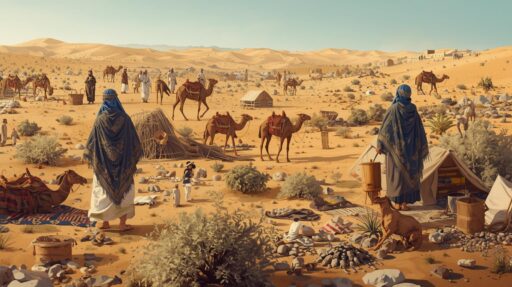
Before the establishment of the modern federal state in 1971, the social and political landscape of the Trucial States was organized around a timeless and effective system: tribal governance. This was a world without parliaments, police forces, or written constitutions. Instead, order, justice, and leadership were provided through a personal and patriarchal system centered on two key institutions: the Sheikh (tribal leader) and the Majlis (council). Understanding this traditional model of governance is essential to appreciating the deep-rooted political culture that underpins the modern UAE and the seamless transition its people made from tribal allegiance to national citizenship.
The Sheikh: A Leader Forged by Consent and Character
The Sheikh was not a dictator but a primus inter pares—first among equals. His authority was not derived from birthright alone but had to be earned and continuously validated through his personal qualities. A successful Sheikh was expected to be:
- Brave (Shuja’a): Willing to lead his men in defense of the tribe.
- Wise (Hakim): Possessing sound judgment to settle disputes and provide counsel.
- Generous (Kareem): Open-handed with his wealth, providing for the poor and offering hospitality to all.
- Accessible (Maftuh al-Bab): Available to hear the concerns of the humblest member of the tribe.
His power was based on the consent of the tribe’s leading elders and families. A Sheikh who failed to meet these expectations could find his authority challenged or could even be replaced.
The Majlis: The Parliament of the People
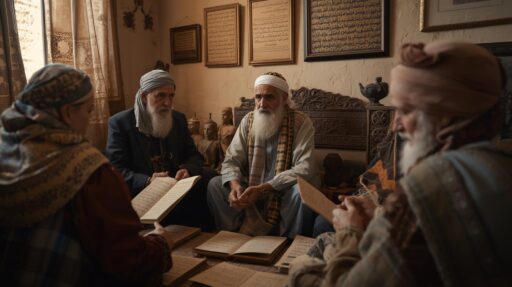
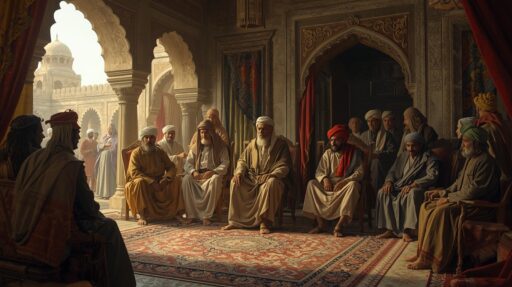
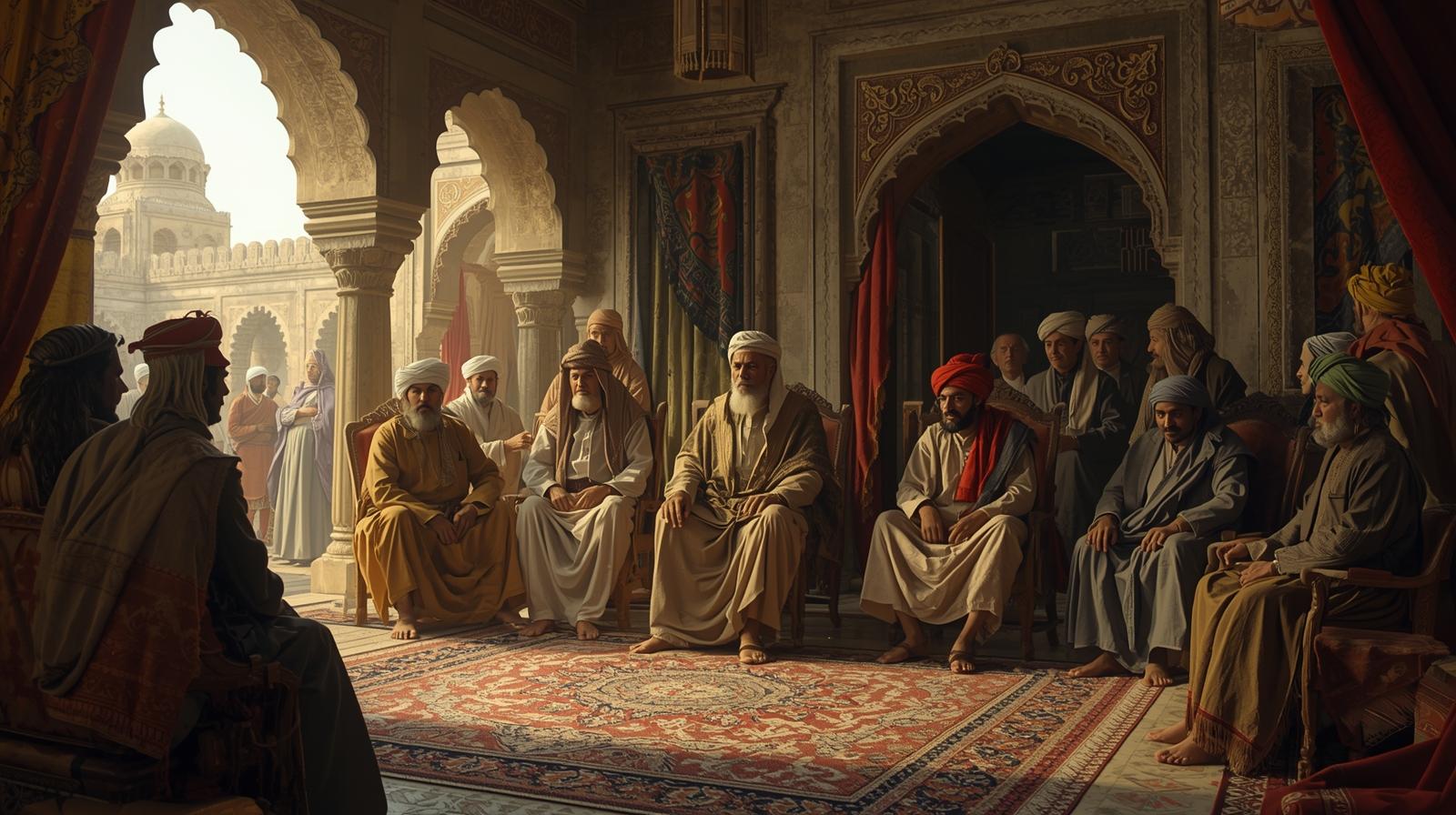
The Majlis (literally, “a place of sitting”) was the bedrock of tribal democracy and the Sheikh’s primary tool of governance. It was an open forum, typically held in a special tent or room attached to the Sheikh’s residence. Any male member of the tribe could attend to voice a grievance, seek a favor, or simply listen. The Majlis served multiple critical functions:
- A Court of Law: Disputes over water rights, theft, or personal injury were brought before the Sheikh and the elders in the Majlis for judgment based on customary law (Al-Urf).
- A Political Council: Matters of war and peace, alliances with other tribes, and migration routes were debated here.
- A Social Hub: It was a space for sharing news, poetry, and strengthening communal bonds.
The ritual of serving Gahwa (Arabic coffee) during the Majlis was a powerful symbol of the Sheikh’s hospitality and the equality of all participants under his protection.
The Law of the Desert: Al-Urf (Customary Law)
In the absence of a formal legal code, society was regulated by Al-Urf—a set of unwritten but universally understood customs and traditions. This law covered everything from blood money (diyya) for murder or injury to rules governing grazing and water access. The Sheikh’s role as a judge was to interpret and apply Al-Urf fairly. His rulings were enforced by the collective will of the tribe. This system, while sometimes harsh, was predictable and based on principles of restitution and collective responsibility, which were essential for survival in a precarious environment.
From Tribal Allegiance to National Identity
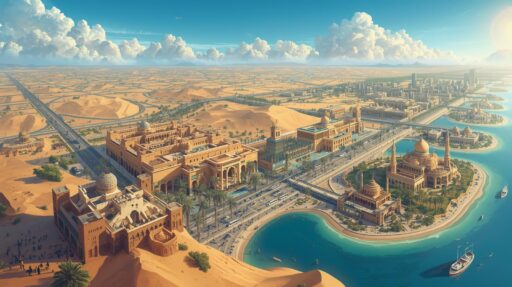
The formation of the UAE in 1971 did not abolish this system; it integrated and evolved it. The Rulers of the emirates were, and still are, the Sheikhs of their dominant tribes. The Federal Supreme Council is, in essence, a national Majlis of the seven ruling Sheikhs. The tradition of the open Majlis continues today, with both rulers and senior government officials holding regular sessions to stay connected with the people. The values of the system—accessibility, consultation, and consensus-building—were woven into the fabric of the modern state, creating a unique blend of traditional authority and contemporary governance that has been a key factor in the UAE’s remarkable political stability.
Conclusion: The Enduring Foundation
The traditional governance system of the Sheikh and the Majlis was a sophisticated and highly adaptive political structure perfectly suited to its time and place. It fostered a culture of direct accountability, communal responsibility, and pragmatic leadership. This legacy is not a relic of the past but a living foundation. It explains the deep respect for authority in the UAE, the expectation that leaders will be accessible, and the strong sense of social cohesion. The modern UAE state, in its stability and direct connection between ruler and citizen, is the proud heir to this ancient and effective desert polity.