

Introduction
The story of the Bani Yas tribe is the origin story of the United Arab Emirates. As the most influential and populous tribal confederation in the region, the Bani Yas provided the ruling families for both Abu Dhabi and Dubai and formed the demographic backbone of the nation. Their journey from nomadic Bedouin roots in the Liwa Oasis to the leadership of global cities is a epic tale of adaptation, resilience, and strategic acumen. Understanding the Bani Yas is to understand the very genesis of Emirati national identity and the political landscape that made the Union of 1971 possible.
The Desert Homeland: Life in the Liwa Oasis
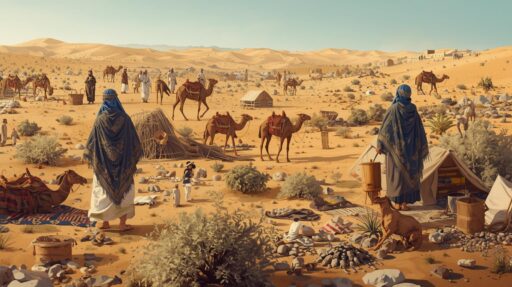
The historical heartland of the Bani Yas was the Liwa Oasis, a vast arc of settlements on the edge of the Empty Quarter. Life here was a masterclass in desert survival. The tribe was not a monolithic entity but a confederation of smaller sub-tribes, each with its own role. Their economy was a delicate balance of date palm cultivation in the oasis and nomadic animal husbandry, primarily of camels and goats. The Al Falah sub-tribe, from which the Al Nahyan ruling family of Abu Dhabi descends, were the leaders and arbiters. The harsh but familiar environment of Liwa forged a collective identity built on interdependence, deep knowledge of the desert, and a strict code of honor and hospitality.
The Al Bu Falasah Branch: The Founders of Dubai
Within the Bani Yas, the Al Bu Falasah section played a pivotal role. In 1833, following a tribal dispute, approximately 800 members of the Al Bu Falasah, led by the Al Maktoum family, made a daring migration northeast from Abu Dhabi. They settled at the mouth of the Dubai Creek, then a small fishing and pearling settlement. This move was monumental. The Al Maktoum established themselves as the independent rulers of Dubai, and the Al Bu Falasah became the core population of the new emirate. This event demonstrates the fluidity and dynamism within the Bani Yas confederation, where sub-tribes could act autonomously, yet a broader sense of kinship and shared identity remained.
The Rise of Abu Dhabi: From Bani Yas to Al Nahyan
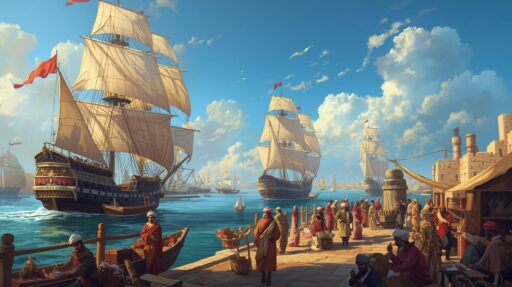
While the Al Bu Falasah were building Dubai, the main body of the Bani Yas, under the Al Falah (Al Nahyan), were consolidating their power on the coast. The key event was the discovery of fresh water on the island of Abu Dhabi in the late 18th century, leading to the establishment of a permanent settlement. The Bani Yas gradually shifted their center of gravity from the interior Liwa Oasis to the coastal capital. The Al Nahyan sheikhs skillfully managed the tribe’s dual nature: maintaining their authority over the Bedouin of the interior while simultaneously building a maritime economy based on pearling and trade. This dual identity—desert and sea—became a hallmark of their rule.
The Tribal Structure: A Tapestry of Sub-Tribes
The strength of the Bani Yas lay in its complex, layered structure. It was an alliance of numerous sub-tribes, each with specialized skills. Key sub-tribes included:
- Al Falah (Al Nahyan): The leading sub-tribe, providing the political leadership.
- Al Bu Falasah (Al Maktoum): The section that founded Dubai.
- Al Mahairib: Known as skilled seafarers and pearl divers.
- Al Hamil: Also prominent in maritime activities.
- Qubaisat: A large and influential sub-tribe involved in both desert and coastal life.
This confederate model allowed the Bani Yas to dominate both the desert interior and the coastal economy, making them the preeminent power in the region.
Conclusion: The Unbroken Thread
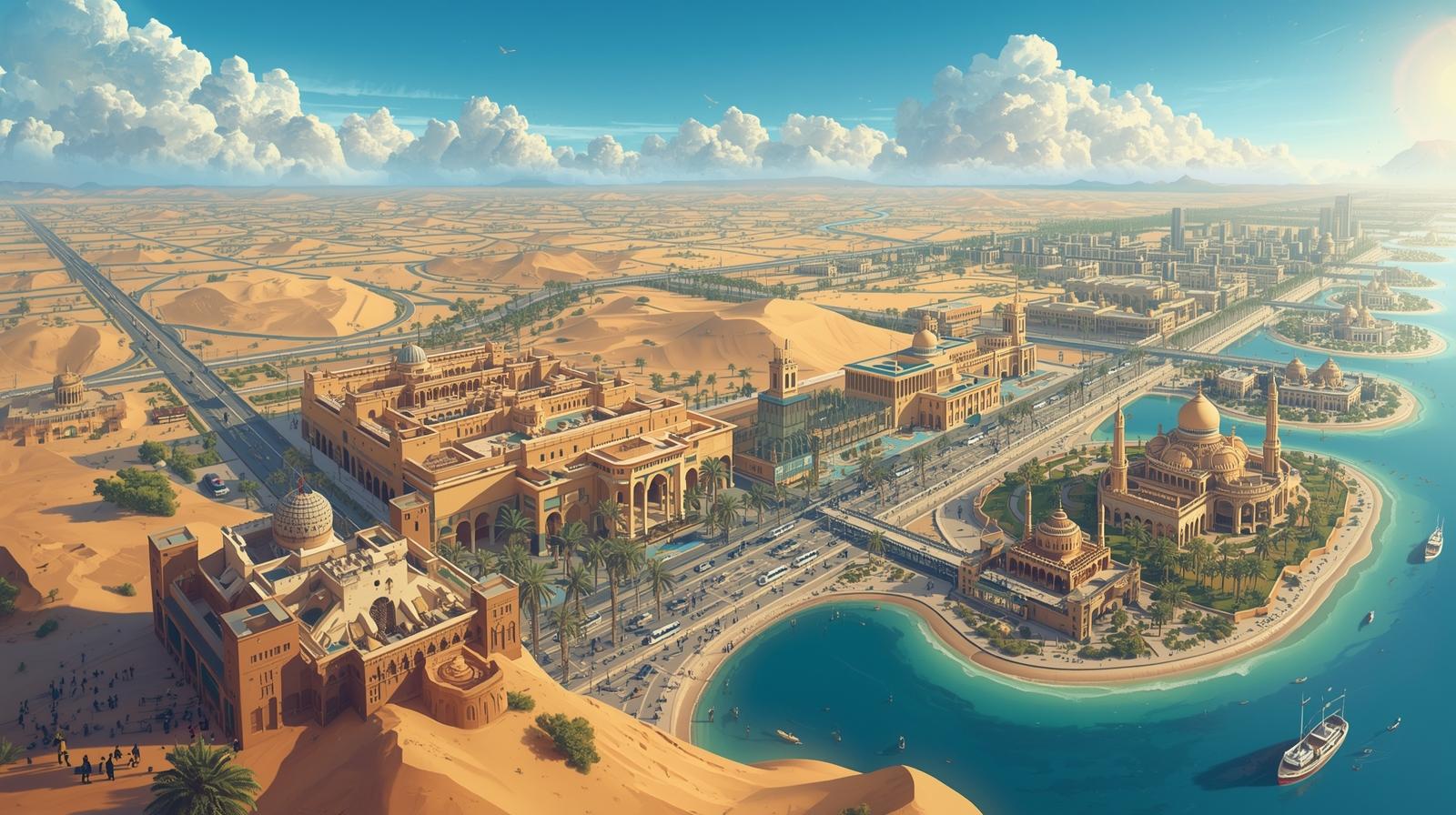
The legacy of the Bani Yas is the modern UAE itself. The Al Nahyan of Abu Dhabi and the Al Maktoum of Dubai, both scions of this same confederation, provided the visionary leadership that forged the union. The tribal ties of loyalty and shared history that bound the Bani Yas together for centuries provided a pre-existing social fabric upon which the federal state could be built. From the date groves of Liwa to the gleaming towers of Abu Dhabi and Dubai, the journey of the Bani Yas is the unbroken thread connecting the UAE’s deepest past to its dynamic present, a testament to a people whose adaptability and unity shaped a nation.