

Introduction
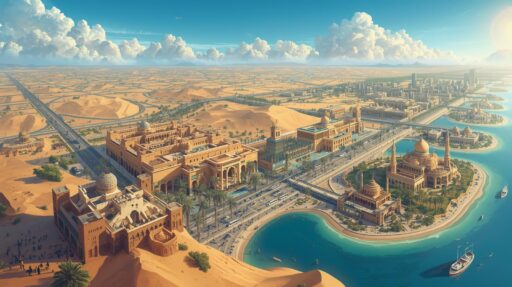
In a nation that has vaulted from the desert to the digital age in a single lifetime, the preservation of identity is a conscious act. For the tribes of the UAE, the most vital repository of this identity is not found in archives or databases, but in the living memory of its elders—the oral tradition of genealogy, known as Al-Ansab. Long before written birth certificates, the intricate mapping of family lineages was a sacred social science, a way of defining belonging, structuring society, and navigating the complex web of tribal relations. In the modern UAE, this ancient practice is experiencing a resurgence, serving as a powerful cultural anchor in a sea of rapid change and global influence.
The Science of Lineage: The Nassab and the Memorized Tree
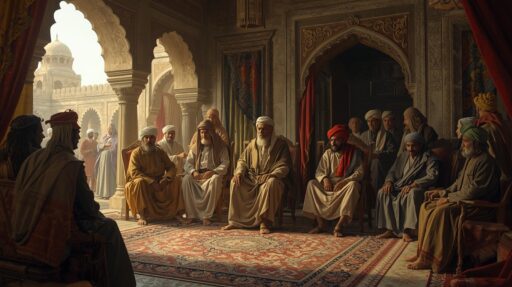
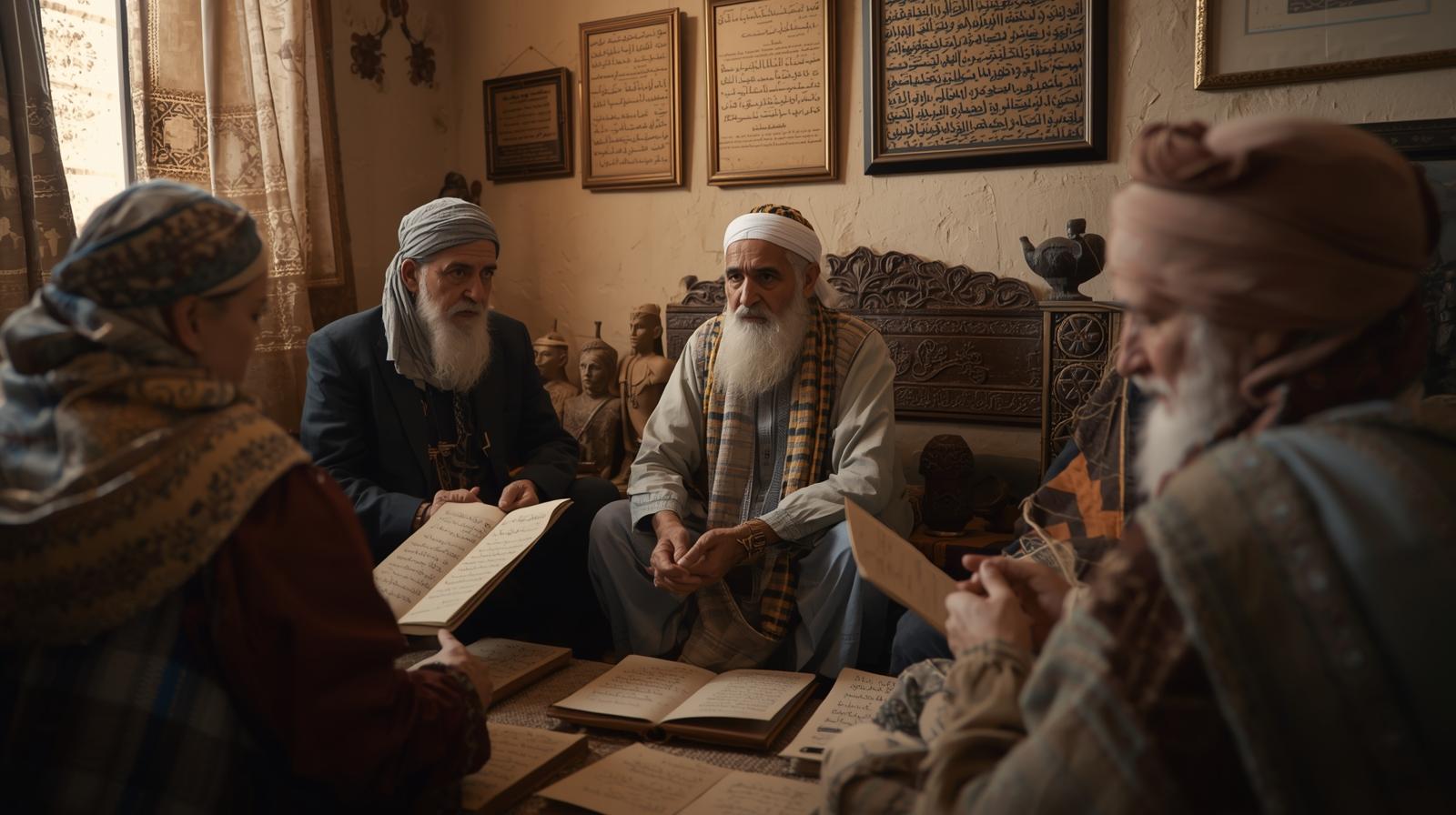
The knowledge of Al-Ansab was held by specialists known as Nassab (genealogists) or simply by respected elders within the tribe. These individuals possessed phenomenal memories, capable of reciting family trees that stretched back dozens of generations, tracing lineages to a common, often mythical, ancestor. A person’s identity was encapsulated in their full name, which typically followed the pattern: [Personal Name] ibn [Son of] [Father’s Name]… ibn [Ancestral Tribe]. To know one’s Ansab was to know one’s place in the world—one’s allies, potential marriage partners, and historical responsibilities. It was a source of immense pride and a key to social acceptance.
The Social Functions of Genealogy: Marriage, Alliance, and Conflict Resolution
Al-Ansab was not an abstract hobby; it had critical practical applications. In arranging marriages, knowledge of lineage was essential to ensure compatibility and maintain the purity and status of the tribal bloodline. It was the framework for political and military alliances; tribes with a shared ancestor were expected to come to each other’s aid. Conversely, in the event of a crime, genealogy determined liability. The concept of collective responsibility meant that a murder committed by one individual could obligate his entire clan to pay blood money (diyya) to the victim’s clan. Understanding these connections was therefore essential for maintaining social order and preventing cycles of vendetta.
The Challenge of Modernity: Urbanization and Demographic Shift
The mid-20th century posed an existential threat to the tradition of Al-Ansab. The move from a nomadic or village-based life to urban centers, the influx of a massive expatriate population, and the adoption of a formal state bureaucracy with written identification diminished the everyday necessity of memorized lineage. For a time, it seemed this deep knowledge might fade away, retained only by a shrinking generation of elders. The younger generation, educated in modern schools and immersed in a globalized culture, had less daily exposure to the intricate recitations of their forebears.
The Digital Revival: Preserving Ansab in the 21st Century
Recognizing the risk of losing this intangible heritage, a concerted effort has emerged to preserve and digitize Al-Ansab. Cultural institutions, universities, and passionate individuals have launched projects to record the oral histories of elders, creating vast digital databases of tribal lineages. Popular television shows and social media groups are now dedicated to discussing and debating genealogy, making it accessible and engaging for the youth. This modern revival is not about reinstating old tribal divisions; rather, it is about cultural reclamation. In a country where Emirati citizens are a minority, knowing one’s Ansab has become a powerful way to assert a unique identity and maintain a tangible connection to a proud and distinct past.
Conclusion: The Living Bridge of Memory
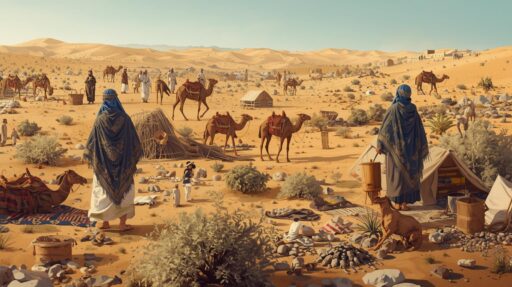
The journey of Al-Ansab from an essential social tool to a cherished cultural heritage symbolizes the UAE’s broader relationship with its history. It demonstrates that progress and preservation are not mutually exclusive. The oral tradition of genealogy is a living bridge, connecting the skyscrapers of Dubai to the goat-hair tents of the desert, the smartphone to the spoken word. By valuing and revitalizing Al-Ansab, Emiratis are ensuring that the stories of their ancestors, the maps of their kinship, and the very roots of their identity are not lost to time but are carried forward, remembered, and honored as a fundamental part of what it means to be Emirati in the 21st century.